Address
37 Baguiati Road, Kolkata-700028
Work Hours
Monday to Friday: 8AM - 7PM
Weekend: 10AM - 6PM

Property services at its best
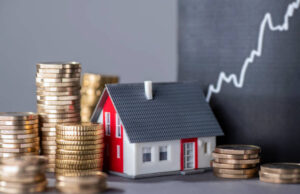
When considering property, people typically fall into two categories: end-use and investment. Both have distinct goals and criteria. Here’s an explanation of the differences between buying property for end-use and buying property as an investment, including the key factors to consider for each.
1. End-Use Property Purchase
When buying a property for end-use, the primary objective is personal use—it’s a home to live in, rather than an asset for profit. The decision-making process in this case focuses more on comfort, convenience, and lifestyle.
Key Factors to Consider for End-Use
A. Location
•Proximity to workplace, schools, hospitals, and amenities like shopping malls, parks, and entertainment is a key consideration.
•You may prioritize factors like neighborhood safety, quality of life, and community environment, which are crucial for everyday living.
B. Type of Property
•Residential Comfort: The type of house, such as apartments, villas, or independent homes, should suit your family size and lifestyle.
•Personalization: When purchasing for end-use, there is more focus on things like the layout, interior design, and space for future growth (e.g., kids, pets, elderly parents).
C. Financial Stability
•Since this property is your primary residence, financial stability is key. You’ll need to budget not only for the purchase price but also for ongoing costs such as:
•EMIs (Equated Monthly Installments) or loan repayments.
•Maintenance and upkeep of the home.
•Property taxes and utility bills.
D. Long-Term Commitment
•Buying for end-use generally implies a long-term stay, so you’ll want to ensure that the property suits your long-term needs, including future family expansions or career changes.
•You’ll also want to focus on long-term convenience and stability in the area, such as the development of infrastructure, transportation, and amenities over time.
E. Emotional Value
•End-use buyers often place higher emotional value on the property. It’s not just about financial gain, but about creating a home where memories are built, making it a more personal decision.
Advantages of Buying for End-Use:
•Stability: You have a permanent home without the stress of renting.
•Emotional Satisfaction: You can create a home according to your preferences and needs.
•Long-Term Investment: Even though the primary goal is living, property typically appreciates over time.
Disadvantages:
•Low Liquidity: End-use properties aren’t easily sold if financial needs change.
•Higher Maintenance: You’re responsible for the upkeep of the property, which involves time and money.
2. Property as an Investment
When buying a property as an investment, the primary goal is to generate financial returns through either capital appreciation (price increase over time) or rental income. Investors are less concerned with personal comfort and more focused on profitability.
Key Factors to Consider for Investment
A. Location for Appreciation
•High-Growth Areas: Investors typically look for properties in emerging markets where infrastructure development (like new highways, metro projects, business hubs) is likely to drive up property prices.
•Rental Demand: Locations with proximity to business districts, educational institutions, or tourist areas tend to generate better rental yields, making them attractive for investors.
B. Rental Yield
•Rental Income: One of the primary goals is to generate a steady cash flow through rent. A high rental yield (rent as a percentage of the property’s value) is a major factor when choosing a property for investment.
•Type of Property: Properties with a greater appeal to tenants, such as small apartments, flats in key city areas, or homes near schools and offices, can provide a steady source of income.
C. Market Conditions
•Investors are highly attuned to market trends, including property demand, interest rates, and regulatory changes like tax laws or property incentives that affect property prices or rental income.
•Timing: Buying during a market dip or in a buyer’s market can maximize future returns through appreciation.
D. ROI (Return on Investment)
•The ultimate goal is maximizing ROI through capital appreciation or rental yield.
•Capital Appreciation: The value of the property increases over time, especially in growing areas.
•Rental Income: Ensuring that rental income can cover loan repayments and provide additional cash flow.
E. Liquidity and Exit Strategy
•Exit Strategy: Investors often have a pre-planned exit strategy, looking to sell the property at the right time for maximum profit. This involves analyzing future market trends to understand when property prices will peak.
•Liquidity: Investment properties can sometimes be sold or rented out faster than end-use homes, especially in high-demand areas.
Advantages of Property Investment:
•Wealth Creation: Real estate generally appreciates over time, allowing investors to grow wealth.
•Rental Income: A consistent rental income stream can supplement other sources of income or help cover loan payments.
•Tax Benefits: In many countries, including India, there are tax benefits for rental income and capital gains on property investments.
Disadvantages:
•Risk of Depreciation: If the market drops or infrastructure doesn’t develop as expected, the property may not appreciate in value.
•Vacancy Risk: If the property remains vacant for a prolonged period, there will be no rental income, but costs like maintenance, loan payments, and taxes will still apply.
•Illiquidity: Selling property can take time, especially during a market downturn, and the process may involve additional costs like brokerage fees and taxes.
End-Use vs. Investment: Key Differences:
Conclusion: End-Use vs. Investment
•End-Use: Ideal if you’re looking for stability, a sense of ownership, and a long-term home for yourself or your family. It’s more about lifestyle choices and convenience, and financial considerations are secondary.
•Investment: Best for those focused on financial growth, rental income, and capital appreciation. Market timing, location, and ROI are crucial when buying property for investment.
Ultimately, whether you should buy for end-use or investment depends on your goals, financial situation, and risk appetite. Both strategies can be profitable if approached correctly, but they require different mindsets and priorities.